In short
Varicose veins, which result from reduced elasticity of the vein wall and failure of the venous valves, are a common problem affecting 20–25% of women and 10–15% of men. In varicose veins, the veins lose their elasticity; as a result they stretch, become significantly dilated in certain segments…
Varicose veins, which result from reduced elasticity of the vein wall and failure of the venous valves, are a common problem affecting 20–25% of women and 10–15% of men.
In varicose veins, the veins lose their elasticity; as a result they stretch, become significantly dilated in certain segments and form venous nodules. Blood flow also slows in the dilated veins, creating conditions for blood clots to form.
Factors that contribute to the development of varicose veins:
- Excess weight
- Genetic predisposition
- Pregnancy, hormonal disorders, etc. contribute to the development of the disease
- Sex – women suffer from this disease 1.5–2 times more often than men
- Low physical activity (prolonged standing, sedentary work, lifting heavy loads, wearing high heels, reduced activity of the leg muscles, etc.)
Treatment methods vary depending on the type of dilated veins. Large dilated veins are eliminated by laser treatment. For small veins, sclerotherapy, an effective and proven method, is used.
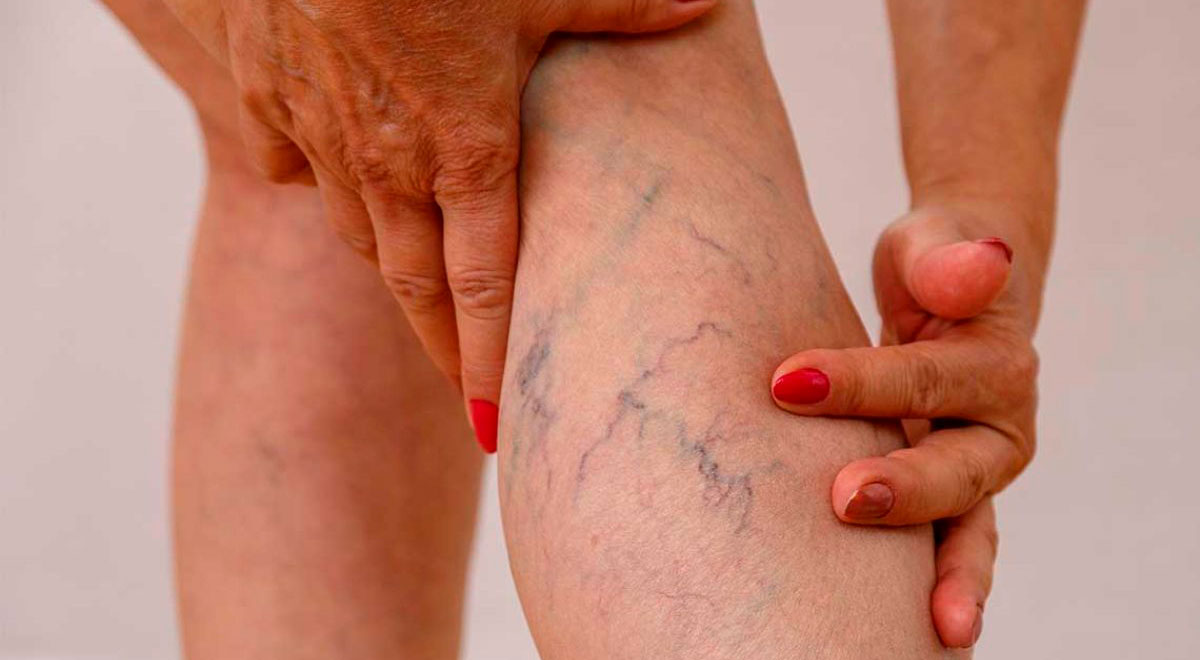
Varicose veins are a condition in which the leg veins become enlarged and twisted and their valves do not work properly, so that blood pools in the lower limbs. Medically, this is also called chronic venous insufficiency. In the early stage the only concern may be appearance, but examination and timely treatment reduce symptoms and help prevent complications.
What are varicose veins?
Veins return blood to the heart. In the legs, blood has to rise upwards against gravity, helped by one-way valves inside the veins and by contraction of the calf muscles. When the valves weaken, blood flows backwards, the vein widens and the surface veins take on a raised, twisted appearance. Varicose veins are therefore the most visible sign of venous insufficiency.
Causes and risk factors of varicose veins
Varicose veins do not have a single cause; they result from a combination of several factors. Sources such as the NHS and Mayo Clinic list the following as risk factors:
- Hereditary tendency: having varicose veins in the family increases the risk.
- Age: with increasing age, the elasticity of the veins and the function of the valves weaken.
- Sex and hormones: in women, pregnancy and hormonal changes may play a role.
- Excess weight: increases pressure on the veins.
- Standing or sitting for long periods: encourages blood to pool in the lower limbs.
- Previous deep vein thrombosis or leg injury.
It should be noted that having a risk factor does not mean the condition will definitely develop; it only increases the likelihood.
Symptoms and stages: the CEAP classification
The most common complaints are: a feeling of heaviness and tiredness in the legs, swelling towards the evening, night-time muscle cramps, itching, burning or bulging bluish veins. Symptoms usually get worse towards the end of the day and ease when the legs are raised.
Doctors use the international CEAP classification to assess venous disease. Its clinical (C) part is grouped broadly as follows:
| Class | Main appearance |
|---|---|
| C0 | No visible or palpable signs of venous disease on examination |
| C1 | Fine (telangiectasia) or reticular veins |
| C2 | Varicose veins |
| C3 | Oedema (swelling) |
| C4 | Changes in the skin and subcutaneous tissue (pigmentation, eczema, hardening) |
| C5 | Healed venous ulcer |
| C6 | Active (non-healing) venous ulcer |
This table gives only a general guide; the exact classification and stage are determined by the doctor after examination.
Complications
Venous insufficiency that is left untreated can worsen over time:
- Thrombophlebitis: inflammation of a surface vein with a clot forming inside it. It feels like a painful, red, hardened cord.
- Skin changes: dark pigmentation, dryness, eczema and hardening of the skin.
- Venous (trophic) ulcer: a sore that usually forms around the ankle and does not heal for a long time.
- Bleeding: in rare cases, bleeding can occur from a damaged varicose vein close to the skin.
If you have sudden swelling and pain in a leg, you should see a doctor without waiting.
Diagnosis with a Doppler scan
Diagnosis begins with the doctor listening to your symptoms and examining your legs. The main instrumental method is a Doppler ultrasound scan of the veins. This scan is painless, involves no radiation and is usually carried out standing up or lying down. During the scan, the following are assessed:
- Whether the deep veins are open and whether there is thrombosis.
- Valve incompetence in the surface veins and backward flow of blood (reflux).
- The diameter and location of the affected vein.
- The condition of the perforator veins (which connect the deep and surface systems).
The results play a key role in choosing the treatment method.
Treatment options for varicose veins
Treatment of varicose veins aims to reduce symptoms, improve blood flow and prevent complications. According to NICE recommendations, people with varicose veins should be referred to a vascular service for assessment, and treatment should be chosen according to the condition of the vein.
- Compression: special compression stockings apply pressure to the veins from outside, reducing swelling and the feeling of heaviness. The size and compression class should be chosen by the doctor.
- Sclerotherapy: a special substance is injected into the vein and the vein wall closes. It is used mainly for small and medium-sized veins.
- Endovenous laser or radiofrequency ablation: heat is delivered from inside the vein through a catheter and the diseased vein is closed. It does not require a surgical incision and is usually performed under local anaesthesia.
- Surgery: in selected cases, the diseased vein may be removed or tied off.
General comparison of treatment options
| Method | How it works | When it is mainly considered |
|---|---|---|
| Compression | Pressure from outside | Relieving symptoms, in addition to other methods |
| Sclerotherapy | Chemical closure of the vein | Small and medium-sized veins, reticular veins |
| Laser / radiofrequency | Closing the vein from inside with heat | Main surface veins with valve incompetence |
| Surgery | Removing or tying off the vein | When other methods are not suitable |
Each method has different advantages and limitations. For detailed information on the differences between sclerotherapy and laser, see the sclerotherapy page. Results may differ in each patient and no method can be guaranteed.
Prevention
Although varicose veins cannot be completely prevented, the following steps can reduce the risk and the symptoms:
- Staying active throughout the day, walking and doing exercises that work the leg muscles.
- Not standing or sitting in the same position for long periods; taking breaks to walk.
- Raising the legs above heart level when resting.
- Keeping your weight within the normal range.
- Avoiding very tight clothing and wearing high heels for long periods.
- Using compression stockings on your doctor's advice.
When should you see a doctor?
It is advisable to see a cardiovascular surgeon without delay in the following situations:
- Pain, swelling and redness in a leg have appeared suddenly, especially in one leg.
- The skin has darkened or hardened, or a non-healing sore has formed.
- A varicose vein has bled.
- Symptoms interfere with your daily activities.
Further sources
For more detailed general information, see NHS: Varicose veins, Mayo Clinic: Varicose veins and NICE CG168: Varicose veins – diagnosis and management.
Information on this site is general and does not replace an examination by a doctor.