
In short
Sclerotherapy, the first and most effective method that comes to mind for treating varicose veins, a problem shared by many people today, is performed by injecting a medication (sclerosant) into the vein. It should be emphasized that this method is the most effective treatment for “spider veins”…
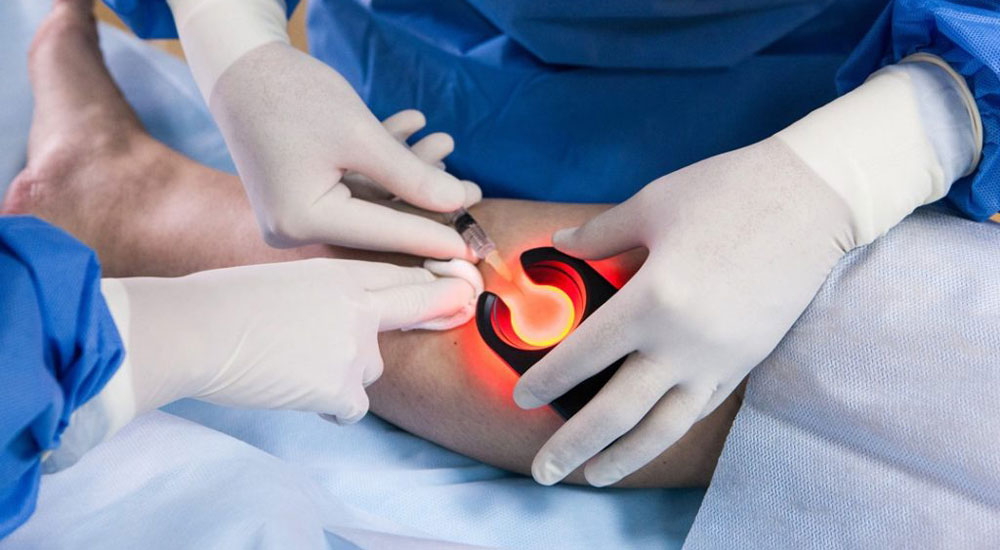
Sclerotherapy, the first and most effective method that comes to mind for treating varicose veins, a problem shared by many people today, is performed by injecting a medication (sclerosant) into the vein.
It should be emphasized that this method is the most effective treatment for “spider veins” and “thread veins”. Sclerotherapy safely eliminates dilated capillaries and small veins.
Sclerotherapy is most effective on veins prone to varicose dilation. Larger veins usually require surgical methods. The technique is also used to refine the results achieved with laser ablation or miniphlebectomy of varicose veins.
Sclerotherapy has no adverse effect on healthy veins, requires no preparation and is just a 20-minute procedure.
Advantages of sclerotherapy:
- Painless
- No incisions
- No anesthesia required
- Excellent cosmetic results
- Practically no complications
- Treated veins never come back
- No restrictions on normal lifestyle or work
- Performed on an outpatient basis (the procedure takes 5–15 minutes, after which you return to your daily life)
What is sclerotherapy?
Sclerotherapy is a method of closing damaged small and medium-sized veins by injecting a special solution into them. After treatment, the closed vein gradually shrinks, while blood continues to flow through healthy veins. Sclerotherapy is mainly chosen for spider veins (telangiectasia) and small varicose veins, and the procedure is carried out without any incision.
This method does not remove the vein from the body: over time, the closed vein is absorbed by the tissue. That is why the result does not appear immediately but gradually, over a period of weeks. The aim is not only to improve appearance but also, where possible, to reduce complaints such as heaviness and burning.
Who is it suitable for?
The decision is always based on an individual assessment. It is usually considered in the following cases:
- thin, red or purple spider veins on the legs;
- small reticular veins and side branches;
- small varicose branches remaining after the larger veins have been treated;
- a feeling of heaviness or burning alongside cosmetic concerns.
Factors that increase the tendency towards venous insufficiency are heredity, standing for long periods or sedentary work, excess weight and pregnancy. If there is insufficiency of the large main (trunk) veins, sclerotherapy alone may not be enough. In conditions such as active deep vein thrombosis, severe allergy and seriously limited mobility, the method may not be considered suitable.
Symptoms
The following complaints may point to a venous problem:
- heaviness and tiredness in the legs, swelling in the evening;
- night cramps, itching or burning;
- twisted or thickened veins visible under the skin;
- darkening of the skin around the ankle.
Some of these symptoms are also seen in other conditions, so it is not right to draw conclusions on your own. If the complaints persist, it is advisable to consult a vascular surgeon.
Tests
Before treatment, the doctor examines the legs while you are standing. The main method is duplex ultrasound of the veins: it shows the direction of blood flow, how the valves are working and whether the deep veins are open. At the same time, the doctor asks about any previous episodes of thrombosis, the medicines you take, allergies and pregnancy plans. This stage is important because behind the small visible veins there is often a larger, hidden venous insufficiency that may need to be treated first. General information on how varicose veins are diagnosed and treated is available on the NHS website: NHS – Varicose veins.
How does a session go?
- The area to be treated is cleaned and the veins are marked.
- A small amount of solution is injected into the vein with a fine needle.
- The injection site is pressed for a while, which helps squeeze the blood out of the vein.
- At the end of the session, a compression stocking or bandage is applied.
- As instructed by the doctor, the patient goes for a walk and returns to their daily activities.
The length of the session depends on the number of veins being treated and it usually does not take long. If a large area is to be treated, the work is divided into several sessions, with breaks between them so that the tissue can respond and the doctor can assess the result.
Comparison of treatment methods
Each method has its own indications. The table below shows the general logic; the specific choice is made after examination.
| Method | Which veins | Key feature |
|---|---|---|
| Sclerotherapy | Spider veins and small veins | A solution injected with a needle, no incision |
| Laser ablation | Large main (trunk) veins | Heat applied from inside the vein |
| Surgery | Extensive or severely damaged veins | Removal or tying off of the damaged vein |
| Compression stockings | Relief of symptoms | Complement treatment, do not eliminate the vein |
The UK's NICE guideline provides a step-by-step approach to assessing varicose veins and choosing the type of treatment: NICE CG168.
Risks
Like any treatment, sclerotherapy has possible side effects:
- bruising, redness or mild pain at the injection site;
- temporary or, in rare cases, long-lasting darkening of the skin;
- development of small new networks of veins (matting);
- in rare cases, an allergic reaction to the solution, superficial thrombophlebitis or deep vein thrombosis;
- in very rare cases, a skin ulcer.
The risk is assessed together with the doctor's examination and the patient's overall condition. A complete guarantee of the result cannot be given; the response is individual.
Recovery and follow-up
After a session, people usually return to daily activities quickly. Wearing a compression stocking for a period set by the doctor is recommended. Walking helps circulation, while strenuous exercise, hot baths, saunas and staying immobile for long periods may be restricted for a short time. Bruising and mild darkening may be visible for a while and often fade gradually.
A follow-up examination is planned to check whether the vein has closed and whether there are any new complaints. Because the tendency towards venous insufficiency persists, it is advisable to keep paying attention to the leg veins in the following years, keep your weight under control and increase your daily activity.
Questions to ask your doctor
- Is sclerotherapy suitable for my veins, or would another method be more appropriate?
- How many sessions might be needed, and how long should the break between them be?
- Which medicines should I stop before the session?
- How long should I wear a compression stocking after the session?
- Which signs mean I should seek help without waiting?
When to seek emergency help (103)
If any of the following signs appear, do not wait: call 103 (the ambulance number in Azerbaijan) immediately or go to the nearest emergency department:
- sudden shortness of breath, chest pain or coughing up blood;
- sudden swelling, redness and severe pain in one leg;
- sudden fainting, weakness of the face, an arm or a leg, or slurred speech;
- a sharp increase in heart rate;
- severe allergic signs such as swelling of the face or tongue;
- a spreading wound or blackening of the skin at the injection site.
This list does not replace an examination. If you have complaints, see a doctor without losing time.
Information on this site is general and does not replace an examination by a doctor.