
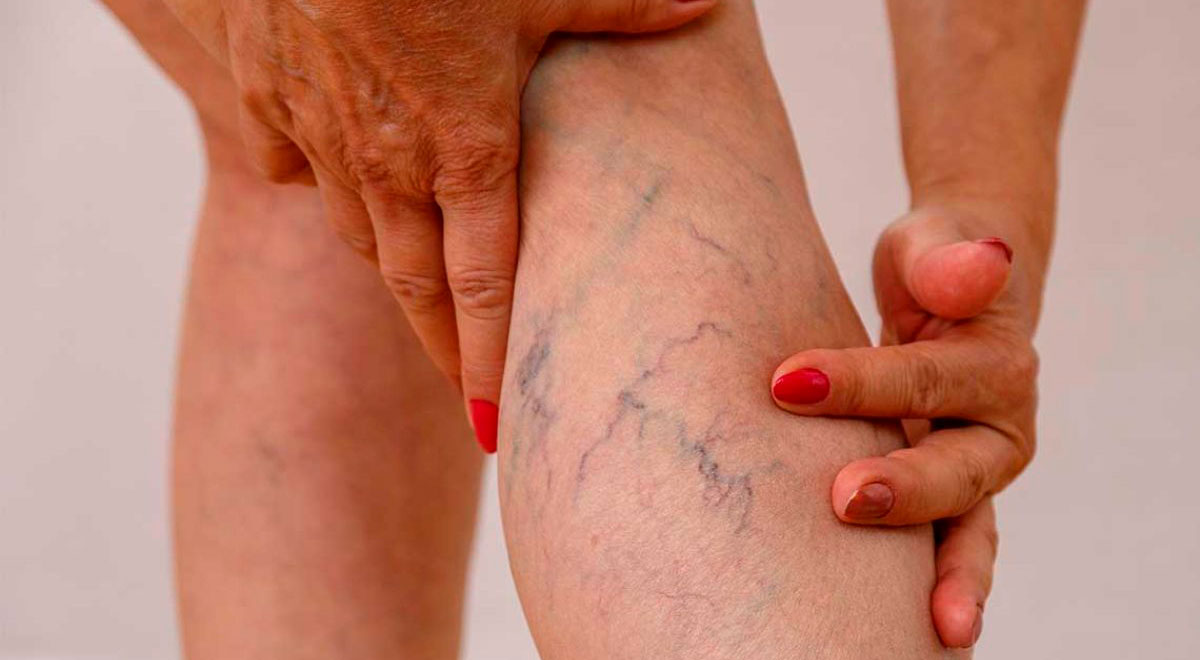
Varicose veins, which result from reduced elasticity of the vein wall and failure of the venous valves, are a common problem affecting 20–25% of women and 10–15% of men.
In varicose veins, the veins lose their elasticity; as a result they stretch, become significantly dilated in certain segments and form venous nodules. Blood flow also slows in the dilated veins, creating conditions for blood clots to form.
Factors that contribute to the development of varicose veins:
Excess weight
Genetic predisposition
Pregnancy, hormonal disorders, etc. contribute to the development of the disease
Sex – women suffer from this disease 1.5–2 times more often than men
Low physical activity (prolonged standing, sedentary work, lifting heavy loads, wearing high heels, reduced activity of the leg muscles, etc.)
Treatment methods vary depending on the type of dilated veins. Large dilated veins are eliminated by laser treatment. For small veins, sclerotherapy, an effective and proven method, is used.
Information on this site is general and does not replace an examination by a doctor.