
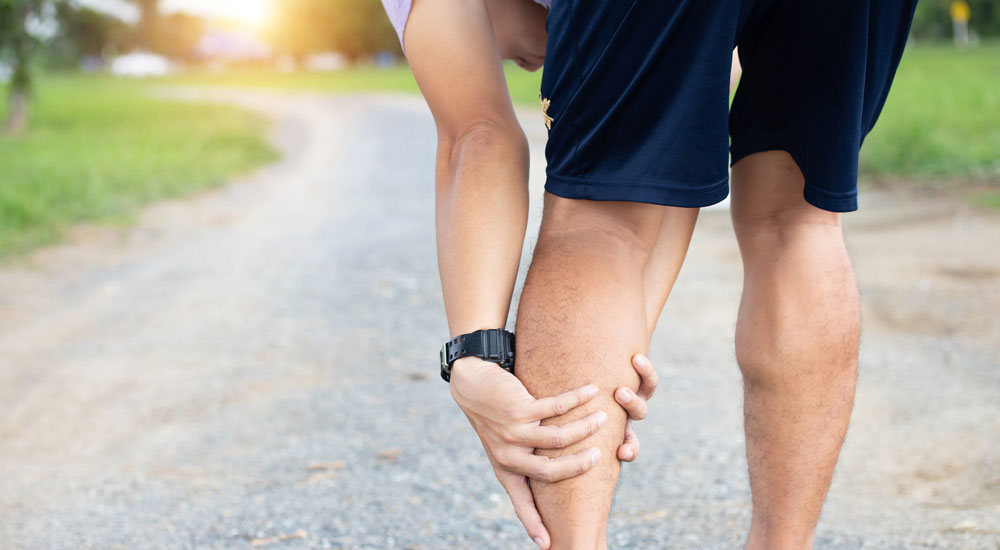
Atherosclerosis (ischemia) of the lower extremities, seen mostly in people over 40 and mainly in men, occurs primarily when the femoral (thigh) artery narrows.
Symptoms:
leg pain
a feeling of heaviness in the legs
muscle wasting (atrophy)
cramping of the leg muscles
pale skin on the legs
bluish discoloration of the toes
trophic lesions, ulcers and gangrene of the legs
legs colder than the rest of the body
People at risk: patients with high blood pressure, patients with diabetes, and people with lipid metabolism disorders
The pain, which usually begins at night, eases when the leg is hung over the side of the bed. In advanced stages, the patient cannot walk 10 meters without stopping. Limping first affects one leg, then both.
In atherosclerosis of the lower extremities, angiography shows occlusion (obliteration) of the arteries. In severe or critical acute limb ischemia, urgent surgery may be required to save the limb.
There are 4 different approaches to the emergency treatment of acute limb ischemia: anticoagulation, percutaneous intervention, surgical revascularization and amputation.
Information on this site is general and does not replace an examination by a doctor.