
In short
Not every chest pain is heart pain! However, pain is also the most common sign of heart disease. If the pain occurs with physical activity and goes away with rest, it is most likely related to the coronary arteries. The pain is aching or burning in character and starts in the chest, spreading to…
Not every chest pain is heart pain!
However, pain is also the most common sign of heart disease. If the pain occurs with physical activity and goes away with rest, it is most likely related to the coronary arteries. The pain is aching or burning in character and starts in the chest, spreading to the left arm and jaw.
When the arteries supplying the heart narrow, the heart muscle cannot get enough oxygen and signals this with pain. This pain is the first sign of coronary artery disease.
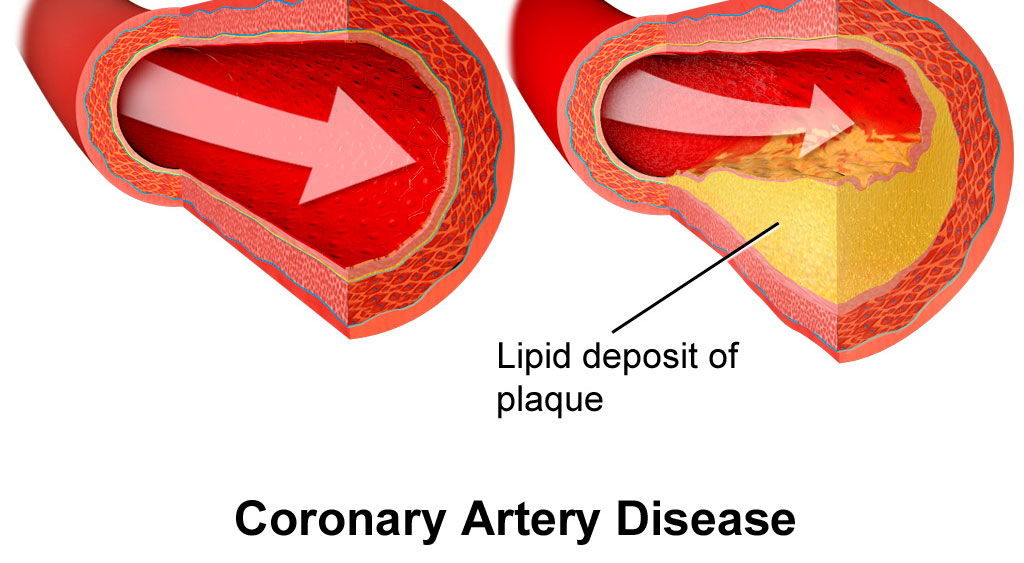
Coronary artery disease begins with damage to the inner surface of the coronary artery and ends with atherosclerosis (hardening of the arteries).
After the vessels are damaged, fat particles and other products of cell metabolism begin to accumulate in the damaged area, eventually causing a blockage of the vessel and a heart attack.
Coronary heart disease is a condition caused by narrowing or blockage of the arteries that supply the heart muscle with blood. The main cause of the narrowing is fatty cholesterol plaque building up in the artery wall. When the heart muscle cannot get enough blood and oxygen, chest pain, shortness of breath and, in severe cases, a heart attack can occur.
A short definition: how do the coronary arteries work?
The coronary arteries run over the surface of the heart and supply the heart muscle. Because the heart works without stopping, its blood supply must be uninterrupted. As plaque builds up inside the artery, the channel narrows and blood flow decreases. This process is called atherosclerosis and can develop silently for years. The disease is also known as ischaemic heart disease. For more detail you can visit the NHS coronary heart disease page.
A plaque may remain stable and cause symptoms only during physical exertion. In other cases the surface of the plaque ruptures, a blood clot forms on it and the artery suddenly becomes completely blocked. It is exactly this situation that is the main mechanism of a myocardial infarction (heart attack).
Causes and risk factors
Several factors play a role in the development of the disease. They can be divided into two groups.
Modifiable factors
- Smoking;
- high blood pressure;
- high blood cholesterol;
- diabetes;
- excess weight and lack of exercise;
- an unhealthy diet and ongoing stress.
Non-modifiable factors
- Age (the risk increases over the years);
- a family history of heart disease at an early age;
- sex and genetic predisposition.
Most risk factors can be brought under control. This is why regular checks of blood pressure, cholesterol and blood sugar are important. For example, for someone who does not have their blood pressure measured even once a year and has early heart disease in the family, such a check can be the first step.
Symptoms
Symptoms vary from patient to patient. The most common are:
- a squeezing, pressing pain or burning in the chest during physical exertion (angina);
- pain spreading to the arm, jaw, neck or back;
- shortness of breath when climbing stairs or walking fast;
- tiring quickly, weakness;
- being aware of your heartbeat, dizziness.
In women, older people and patients with diabetes the symptoms may not be typical: instead of pain there may only be fatigue, nausea or breathlessness. Mayo Clinic explains the symptoms of coronary artery disease separately. For the assessment of new-onset chest pain, there is a NICE guideline.
Tests
The diagnosis starts with a discussion of your symptoms and a physical examination. The doctor then orders tests to suit the situation:
- ECG - records the heart's electrical activity and can show a previous heart attack and rhythm disorders.
- Echocardiography (heart ultrasound) - assesses the size of the heart, its valves and its pumping strength.
- Exercise test - checks how the heart responds to physical exertion.
- Blood tests - cholesterol, glucose and markers of heart muscle damage.
- Coronary angiography - a precise test using contrast dye that shows the inside of the arteries; it is used to determine where the narrowing is and how severe it is.
The doctor decides which tests are needed according to your symptoms and level of risk. Before each test it is helpful to bring a list of the medicines you take and your previous test results.
Treatment options
The aim of treatment is to relieve symptoms, slow the progression of the disease and lower the risk of a heart attack. There are three main approaches: medicines, stenting and heart bypass surgery. For each patient the choice is made individually, looking at how widespread the artery disease is, the heart's pumping strength and any other conditions.
Comparison table
| Method | What it involves | When it is considered | Note |
|---|---|---|---|
| Medicines and lifestyle | Medicines that improve blood flow and keep cholesterol and blood pressure under control | In mild to moderate narrowings, and as the basic foundation in all patients | Requires regular use and medical follow-up |
| Stenting | Widening the narrowed artery with a balloon and placing a supporting scaffold inside it | In a limited number of suitably located narrowings | Blood-thinning medicines are taken for the period specified by the doctor |
| Coronary artery bypass grafting (bypass) | Creating a new route for blood that bypasses the narrowed section | When several arteries are affected, in narrowing of the left main artery, sometimes in patients with diabetes | Open-heart surgery; the recovery period is longer than with a stent |
For those who want to read more about stents and bypass surgery, there are official resources from the European Society of Cardiology (ESC). For a decision suited to your individual situation, a consultation with a cardiovascular surgeon can be helpful.
Risks and complications
Untreated coronary disease can lead to the following complications:
- myocardial infarction (damage to part of the heart muscle due to lack of blood);
- heart failure;
- rhythm disorders;
- sudden cardiac arrest.
The treatment methods also have their own risks: with stenting, damage to the artery or re-narrowing inside the stent; with surgery, bleeding, infection and rhythm disorders are possible. The specific risk depends on the patient's age, other conditions and heart function; only the doctor can assess this after testing.
Recovery and follow-up
In the period after treatment, much of the success depends on daily habits:
- do not stop the prescribed medicines on your own;
- stop smoking completely;
- a diet that limits salt and saturated fat and is based mainly on vegetables and wholegrains;
- daily walks or light exercise, increased step by step with your doctor's approval;
- periodic checks of blood pressure, cholesterol and blood sugar;
- attending your scheduled doctor's appointments.
After surgery, a cardiac rehabilitation programme helps restore physical stamina. The amount of exertion is set separately for each patient. If symptoms return, or there is swelling of the legs, a rapid gain in weight or redness of the surgical wound, you should see a doctor without waiting for the next appointment.
Questions to ask your doctor
To reach a clear decision at your appointment, it is helpful to prepare the following questions:
- How severe is the narrowing in my arteries, and how many arteries are affected?
- Are medicines alone enough for me, or should a stent or bypass surgery be considered?
- What are the benefits and risks of the proposed method?
- How long will I stay in hospital after the procedure?
- Which medicines should I take, and for how long?
- When can I return to work and physical activity?
- When and how often should follow-up tests be carried out?
When to seek emergency help (103)
In the following situations do not wait; call 103 (the ambulance number in Azerbaijan) immediately:
- severe squeezing chest pain lasting more than 5 minutes;
- pain that does not pass at rest or after a medicine taken under the tongue;
- pain together with cold sweat, nausea, vomiting;
- sudden breathlessness or loss of consciousness;
- pain spreading to the arm, jaw or back.
In such a situation do not drive yourself; sit quietly until the ambulance arrives and, if needed, take the medicine your doctor has recommended in advance. Every minute matters for protecting the heart muscle.
Information on this site is general and does not replace an examination by a doctor.