
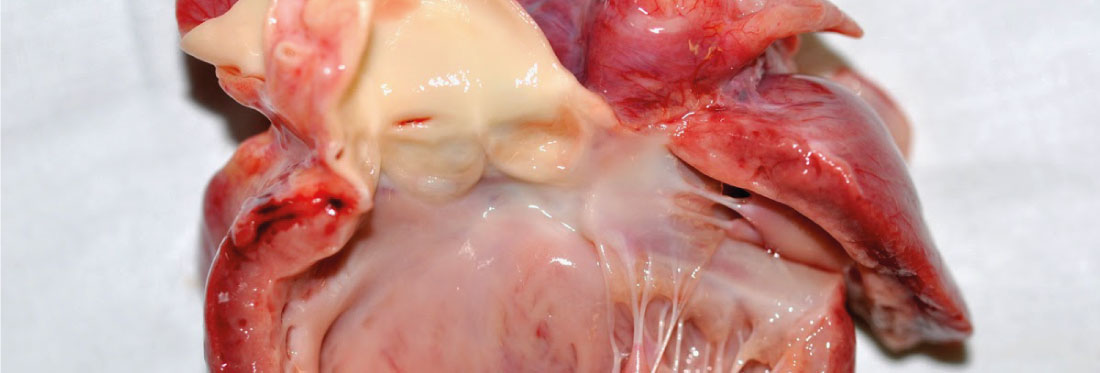
Infective endocarditis, most often seen in the mitral and aortic valves, is an infection or inflammation of the endocardium (the inner lining of the heart) and adjacent vessels, as well as the heart valves.
Symptoms:
fever, sweating
weight loss
chest pain, tachycardia
general weakness, fatigue
dry skin and retinal hemorrhages
Treatment consists of antibiotic therapy and, in case of mechanical complications, surgery.
Surgical treatment of infective endocarditis consists of valve repair or replacement. Valve replacement is performed through a small incision without opening the breastbone.
In the following patients with infective endocarditis, which can cause heart failure and can be fatal, medical treatment is not effective and surgery is mandatory:
Patients at risk of embolism
Patients with uncontrolled infection (persistent infection, recurrent valve endocarditis, abscess, aneurysm, fistula)
Patients with heart failure (especially those with prosthetic, native aortic or mitral valve endocarditis and those with pulmonary edema or cardiogenic shock)
Information on this site is general and does not replace an examination by a doctor.