
Today, more than 50% of acquired heart defects involve the bicuspid (mitral) valve, and about 20% involve the aortic semilunar valve. Among mitral valve defects (regurgitation), which are diagnosed by echocardiography, the most common is mitral valve prolapse.
The condition presents with chest pain accompanied by fatigue, weakness, migraine, dizziness, orthostatic hypotension, shortness of breath and palpitations.
Mitral valve regurgitation can be relative, organic or functional.
In functional regurgitation, the muscular apparatus that controls closure of the mitral valve does not work properly.
In relative regurgitation, the mitral valve itself is unchanged, but because the left atrioventricular opening is enlarged, the leaflets do not close tightly.
Organic regurgitation results from the growth of connective tissue in the mitral valve leaflets and shortening of the leaflets and their chordae tendineae.
In surgical treatment, suitable valves are repaired or replaced with a prosthetic valve. In suitable patients, valve surgery is performed through a small incision without cutting the breastbone.
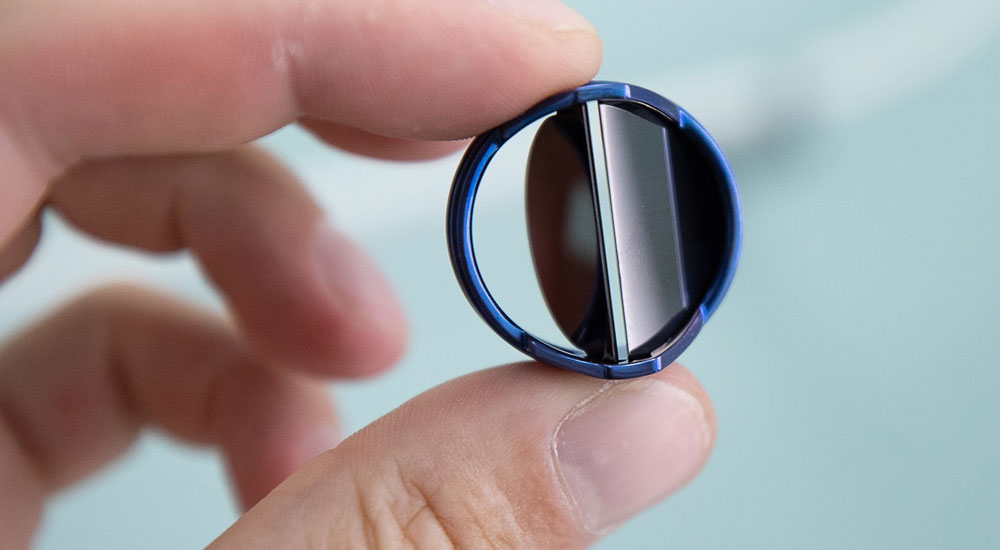
Overall, the aortic and mitral valves are the most commonly affected. In such cases, valves that can no longer function are removed and replaced with an “artificial heart valve”. Heart valves are replaced with a mechanical or biological valve (prosthesis). A mechanical valve is more durable but requires lifelong use of blood-thinning medication. A biological valve has a shorter lifespan (10–15 years) but does not require blood thinners. Like bypass surgery, this operation requires open-heart surgery.
Information on this site is general and does not replace an examination by a doctor.