
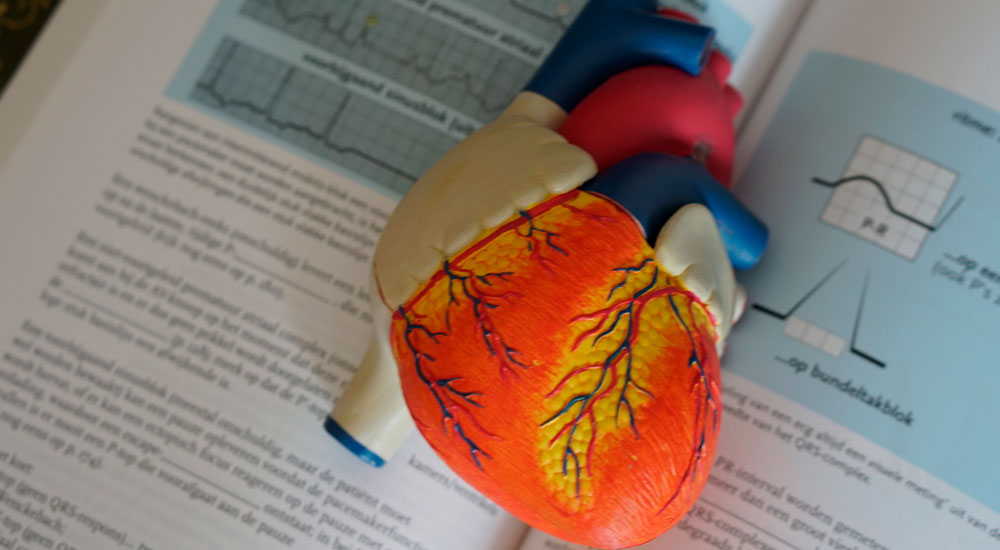
If you have been diagnosed with heart failure, don't panic and think "my heart is going to stop any minute"! Heart failure means that your heart is not working as well as it should.
In a normal, healthy heart, a certain amount of blood enters the heart with each heartbeat and is then pumped out. In heart failure, your heart cannot pump out the full amount of blood that has entered it with each beat.
Types of heart failure:
Diastolic heart failure — characterized by the heart chambers not filling properly with blood in the intervals between heartbeats.
Systolic heart failure — this means that the ventricles do not contract adequately with each heartbeat, so the blood that has entered the heart is not fully pumped out.
Heart failure is not a separate disease; it develops as a complication of various cardiovascular conditions such as coronary heart disease, myocardial infarction, heart valve defects, cardiomyopathies, arterial hypertension, etc.
Symptoms:
Weakness
Constipation
Fatigue
Loss of appetite
Shortness of breath
Dizziness
Chest pain
Heart rhythm disturbances
Swelling of the ankles and feet
Cyanosis (bluish discoloration) of the nails and the area around the nose and lips
In acute and chronic heart failure, bed rest, complete mental and physical rest, and an easily digestible diet rich in vitamins are prescribed.
In cases of heart defects acting as a mechanical barrier, cardiac aneurysm or constrictive pericarditis, surgery is performed in most cases.
Information on this site is general and does not replace an examination by a doctor.