
In short
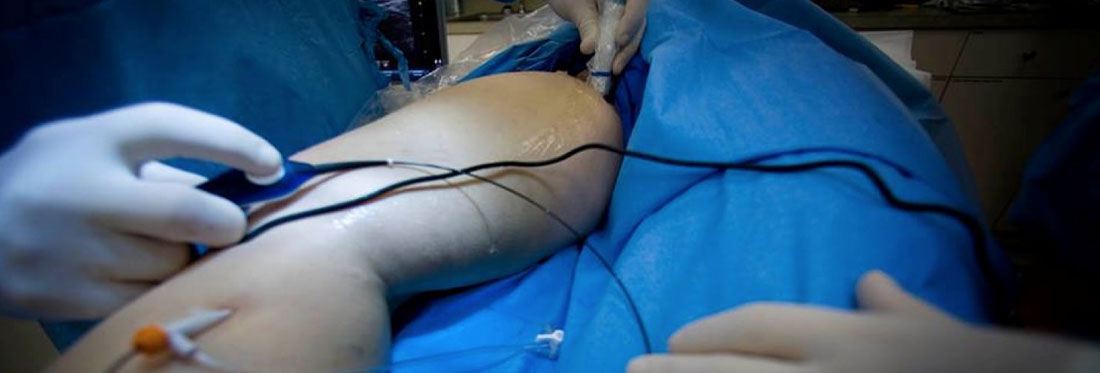
Today, varicose vein surgery performed with minimally invasive methods (laser ablation, radiofrequency ablation, etc.) is done without incisions or general anesthesia and is practically painless; the varicose vein is closed using heat. Many people see varicose veins as merely a cosmetic problem.…
Key facts
- Section: Blog
- Doctor: Dr. Cabir GÜLMALIYEV, Cardiovascular Surgeon
- Hospital: Liv Bona Dea International Hospital, 2 Mehdi Abbasov St, Baku, Azerbaijan
- Appointments: +994 50 693 53 35
Today, varicose vein surgery performed with minimally invasive methods (laser ablation, radiofrequency ablation, etc.) is done without incisions or general anesthesia and is practically painless; the varicose vein is closed using heat.
Many people see varicose veins as merely a cosmetic problem. This view is wrong and even dangerous.
When varicose veins go untreated for many years, they lead to dangerous complications and can eventually cause loss of the ability to work and disability.
When should varicose veins be treated surgically?
- When there is a non-healing venous trophic ulcer
- Varicose veins accompanied by fatigue and edema
- When there are enlarged subcutaneous veins
- Thrombophlebitis (formation of a clot in a superficial vein under the skin)
- Impaired circulation in the lower limbs (backflow of venous blood, or reflux)
Information on this site is general and does not replace an examination by a doctor.