
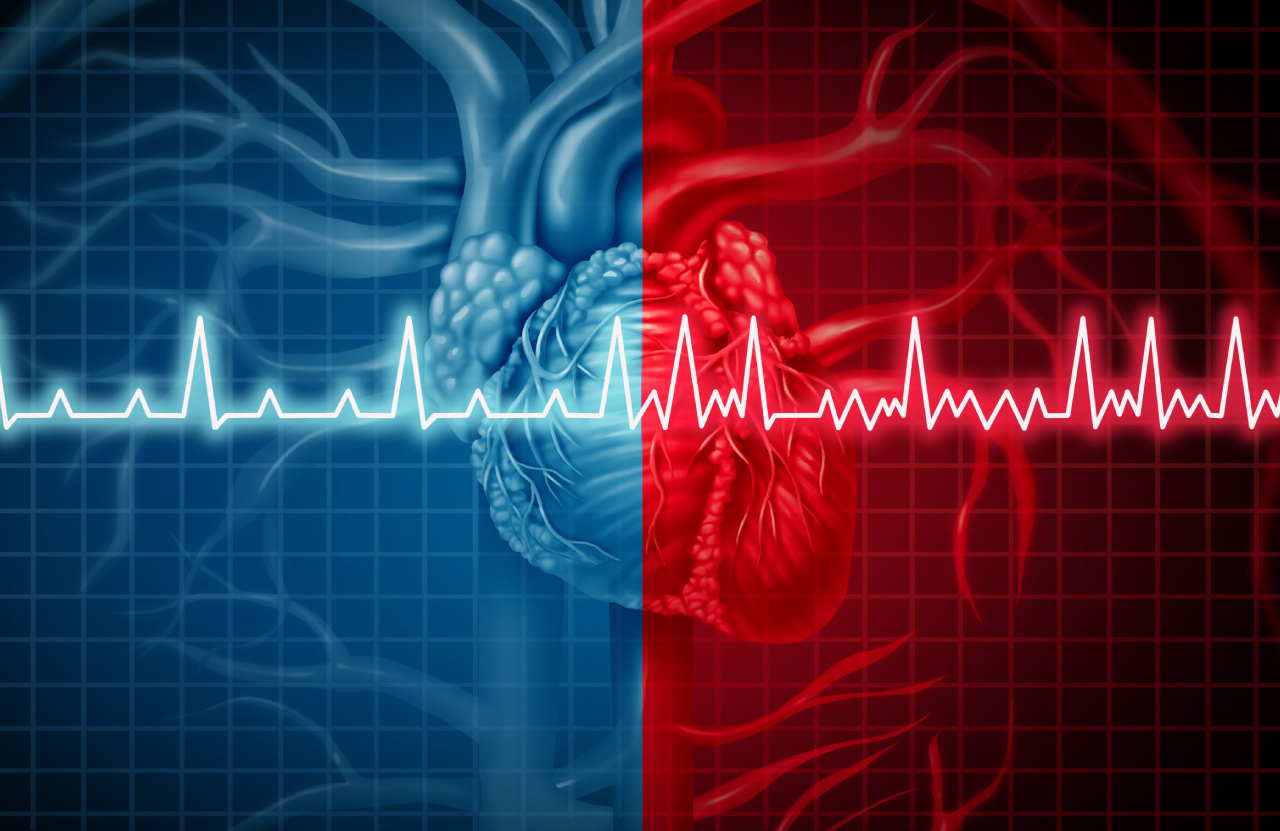
Atrial fibrillation (AF) is the most common cardiac arrhythmia. In this condition, irregular beats increase the heart rate, which reaches 100–150 beats per minute in AF.
Atrial fibrillation (AF) is one of the leading causes of stroke in older people.
Atrial fibrillation can reduce the heart's pumping ability.
The goals of treatment are to restore a normal heart rhythm, prevent blood clots and reduce the risk of stroke. Many options are available, including medication, catheter-based procedures and surgery.
Today, new technologies are available for the surgical treatment of AF, designed to create conduction-block lines using radiofrequency, microwave, laser, ultrasound or cryotherapy (freezing).
In patients scheduled for minimally invasive heart surgery, a surgical ablation procedure is performed at the same time.
Cryoablation is the name of a procedure, introduced in recent years and with fewer complications than older methods, in which the problematic area of the heart is frozen to between −150 and −170 degrees.
The principle of the radiofrequency method is to use heat generated by RF energy to create full-thickness lesions in specific areas of the atrial endocardium.
Information on this site is general and does not replace an examination by a doctor.